Bureau of Environmental Health
What We Do
Six separate departments make up the Bureau of Environmental Health :
- Environmental Health, Safety and Management
- Food and Consumer Safety
- Healthy Homes, Environmental Consumer Management and Senior Care
- Housing and Neighborhood Health
- Mosquito and Rodent Control
- Water Quality and Hazardous Materials Management
Primarily the Bureau is responsible for enforcing laws and regulations protecting our health, while ensuring a safe and healthy environment.
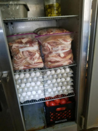
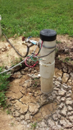
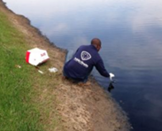
We do this through the inspection of residential and business properties; cleaning of vacant homes and lots; sampling residential wells, lakes, and streams; and providing services to eliminate pests that may cause disease.
Also, we accomplish this mission through education: We attend neighborhood meetings. We produce quarterly educational newsletters. We volunteer for activities that improve the quality of life for neighborhoods — focusing our work on children and seniors, our most vulnerable populations. And whenever possible, we serve on committees with public and private partners throughout the community, all with the goal of achieving our health and safety goals.
For more information
Connect With UsHaving issues in any of these areas? Let us know — you can find a form below to let the health department know.
Forms
Environmental Health Safety and Management
Responsible for Cleaning Dilapidated and Abandoned Property, Cutting Weeds and Grass
Healthy Homes, Environmental Consumer Management & Senior Care Department
Lead Inspections, Blood Lead Testing, Health Homes Inspections, Consumer Product Testing, Radon Tests, Bed Bugs
Mosquito Control
Larviciding (investigating areas of standing water and treating those that are breeding mosquito larvae)
Adulticiding (fogging of neighborhoods to reduce the adult mosquito population)
Rodent Control
Investigation and Baiting of Potential Rodent Habitats
Housing and Neighborhood Health
Occupied Housing, Trash and High Weeds and Grass, Vacant Structures (Commercial or Residential) in Disrepair, Vacant Open Structures, Abandoned Junk Vehicles on Private Property
Water Quality and Hazardous Materials Management
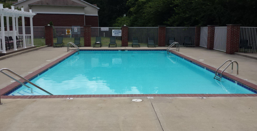
Inspections and permits/licensing for Public Pools, Septic Systems, Private Wells, Mortgage Loan Inspections, Childcare, and Tattoo Parlors.
What is Environmental Tracking?
For more than 20 years, the CDC’s National Environmental Public Health Tracking Program has collected, integrated and analyzed non-infectious and environmental data from a nationwide group of partners — over 30 states and numerous counties are represented in this network.
The Marion County Public Health Department’s (MCPHD) Environmental Health Tracking Program was created in August 2022 and provides data on health, the environment, and our population’s demographics.
We invite you to explore and analyze our data, learn more about our tracking program, or review further resources at the links below.
What do we track?
Currently, MCPHD’s tracking portal is focused on a core set of hospitalization and emergency department (ED) data, birth defects, community water systems data, and population demographics. Future versions will include radon, food security and safety, climate and weather, and more.
Standard Terms/Definitions
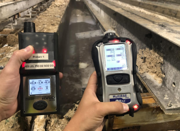
“Environmental Tracking” or “Environmental Public Health Tracking” is the ongoing collection, integration, analysis and dissemination of data from environmental hazard monitoring, human exposure tracking, and health effect surveillance.
“Environmental Health” is a part of public health that looks at how people and the environment impact one another. It promotes the health of humans and the environment and works to help build healthy communities.
“Environmental Health Hazards” is anything that can harm a person’s health. These hazards can be natural — a normal part of the environment — or they may be human-made. Examples of environmental hazards include lead paint, radiation and air pollution.
“Data Visualization” is the display of data (information or numbers) using a picture, graphic or animation.
“Data Stories” employs analysis, interpretation and presentation to try to tell an easily understood story from data.
Further Resources
For more information on health outcomes or environmental health, check out the links below. Questions? Contact our program at MCPHDTracking@MarionHealth.org